
-
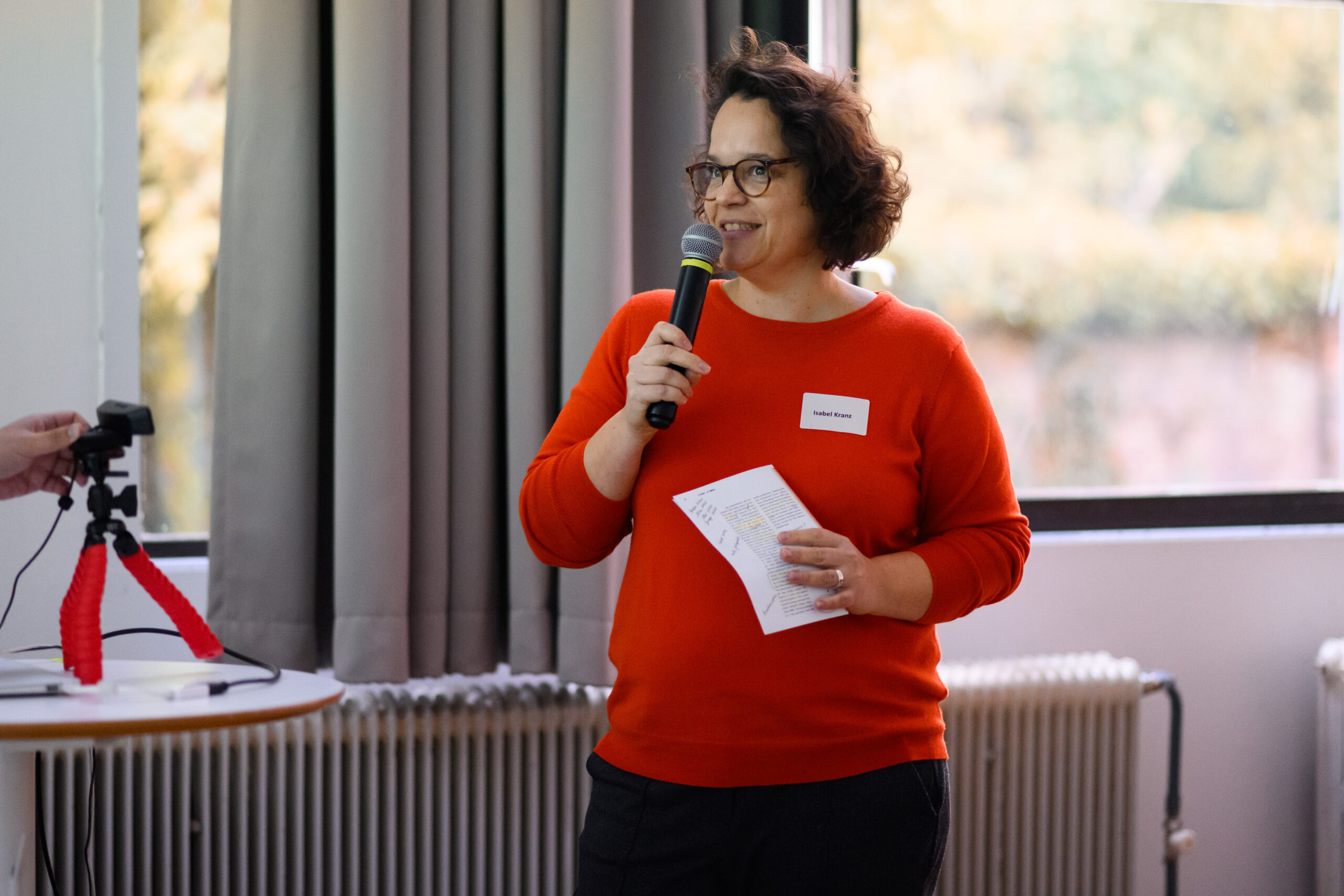
Photo: eSeL.at, Joanna Pianka
-
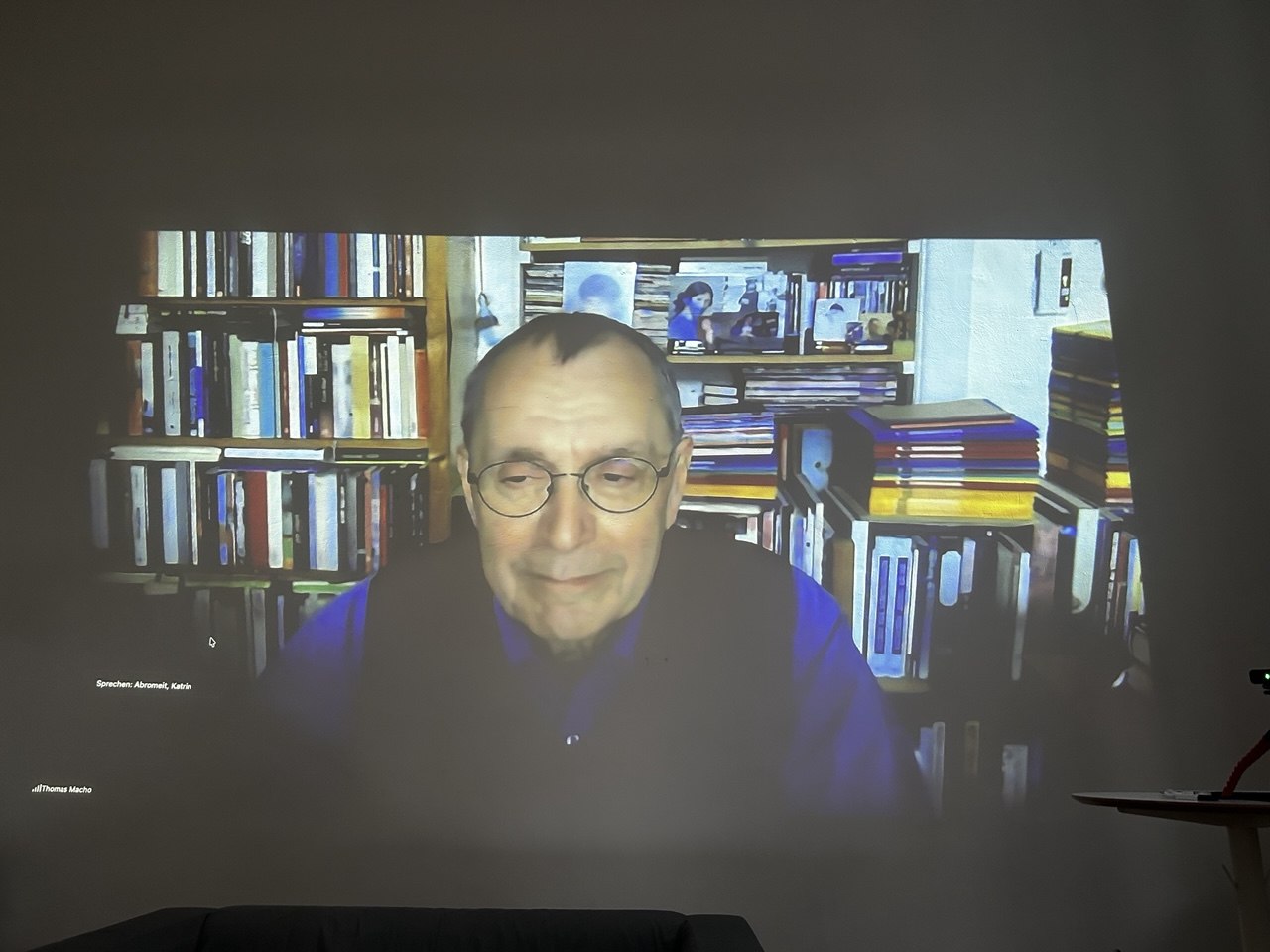
Photo: Eva Kapeller-Hallama
-
Photo: eSeL.at, Joanna Pianka
-
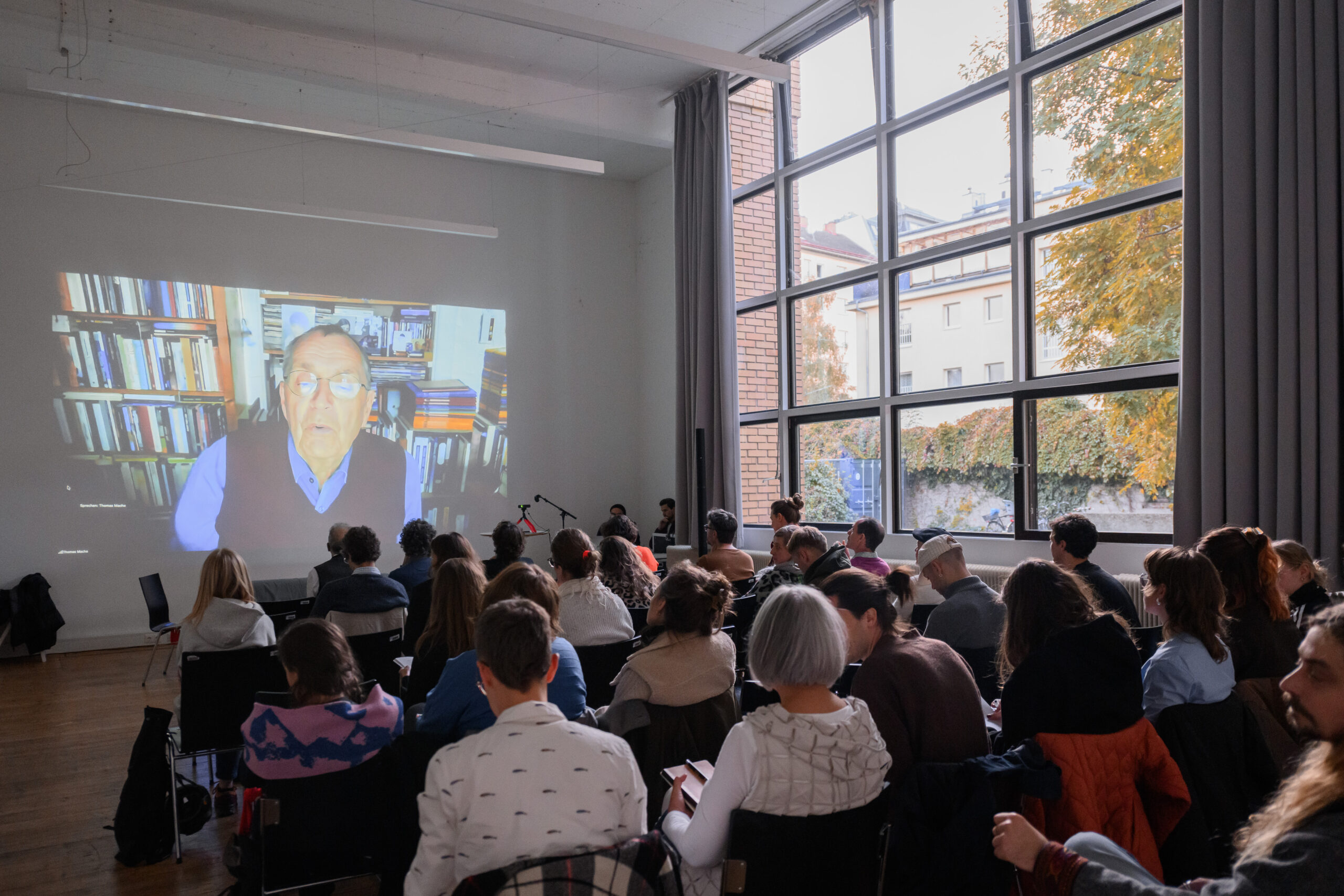
Photo: eSeL.at, Joanna Pianka
Thomas Macho
FREMDE STIMMEN
CHAIR
Isabel Kranz
My presentation will be divided into three parts. In the first part, I will talk about hearing voices – beyond the still widespread pathologisation as a symptom of schizophrenia – with reference to recent research on the history and science of inner voices (e.g. Charles Fernyhough, Tanya M. Luhrmann, Ruvanee P. Vilhauer), but also to three novels that revolve around the hearing of voices by indigenous protagonists, namely ‘Pedro Páramo’ by Juan Rulfo (from 1955, the German translation by Dagmar Ploetz was published in 2008), ‘Eisejuaz’ by Sara Gallardo (from 1971, German Translation by Peter Kultzen published in 2017), and ‘Menschentier’ by Indra Sinha (from 2007, German translation by Susann Urban published in 2011). Which voices, I will ask, do we hear in dreams, in the rhythm of walking, in crises and conflicts, but also when reading and writing? The second part of my lecture will then briefly outline the history of voice and speech synchronisation in film, starting with a Disney animated film about Donald’s Dream Voice (from 1948). I will also comment on a few examples from the audio-collection Liebesgrüße aus Hollywood (Love Letters from Hollywood, from 1999 and 2002), in which German dubbing actors of famous US film stars recite German poetry. The third part will then focus on digital voices, for example with reference to some computer games that simulate hearing voices in virtual worlds for the players’ headphones.
Thomas Macho (born 1952) served from 1993 to 2016 as a full professor of cultural history at the Institute for Cultural Studies at Humboldt University in Berlin. In 1976, he received his PhD at the University of Vienna with a dissertation on the Philosophy of music; in 1984, he qualified as a lecturer of philosophy at the University of Klagenfurt with a habilitation thesis on metaphors of death. From March 2016 to October 2023, he headed the International Research Center for Cultural Studies (ifk) at the University of Art and Design Linz in Vienna. In 2019, he was awarded the Sigmund Freud Prize for Scientific Prose by the German Academy for Language and Literature, and in 2020, he received the Austrian State Prize for Cultural Journalism. He is a member of the European Academy of Sciences and Arts, and since 2023, a member of the German Academy for Language and Literature. His more recent monographs include: Das Leben ist ungerecht. St. Pölten/Salzburg 2010; Vorbilder. München 2011; Schweine. Ein Portrait. Berlin 2015; Das Leben nehmen. Suizid in der Moderne. Berlin 2017; Warum wir Tiere essen. Wien 2022; Sehen ohne Augen. Ottensheim 2022.
Isabel Kranz is Professor of Cultural Studies at the University of Applied Arts in Vienna. The author and co-founder of the Literary and Cultural Plant Studies Network received her doctorate in 2011 with a dissertation on Walter Benjamin’s Arcades Project and published the bibliophile, multi-translated book Sprechende Blumen. Ein ABC der Pflanzensprache (Talking Flowers: An ABC of Plant Language) in 2014. She researches the relationship between literature and botany and also publishes on topics such as media and historiography, and visions of the future. Her current publications include Plant Poetics: Forms and Functions of the Vegetal (ed. with Joela Jacobs and Solvejg Nitzke) and Pflanzen: Ein kulturwissenschaftliches Handbuch (forthcoming with Metzler in spring 2026).