
-
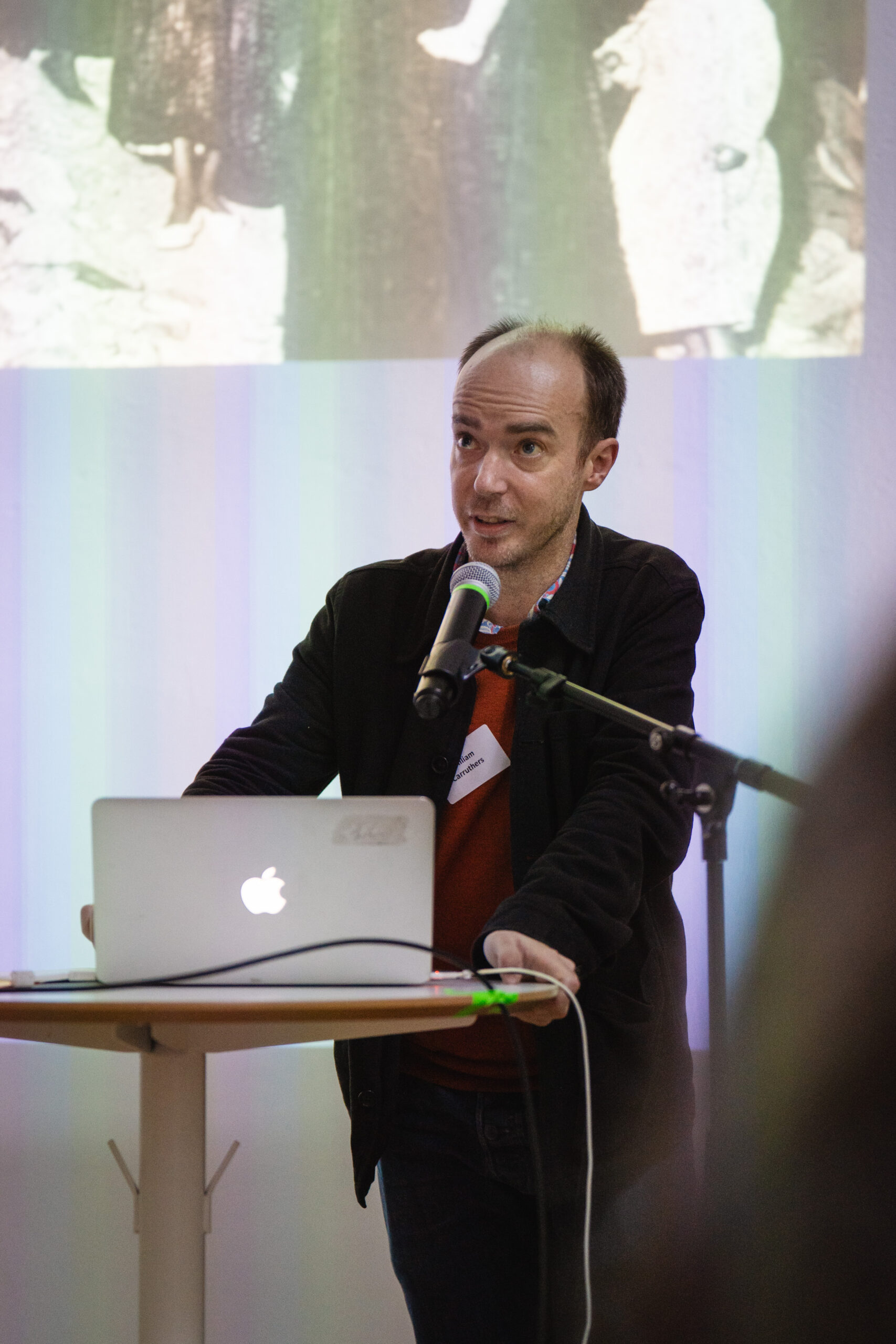
Photo: eSeL.at, Robert Puteanu
-
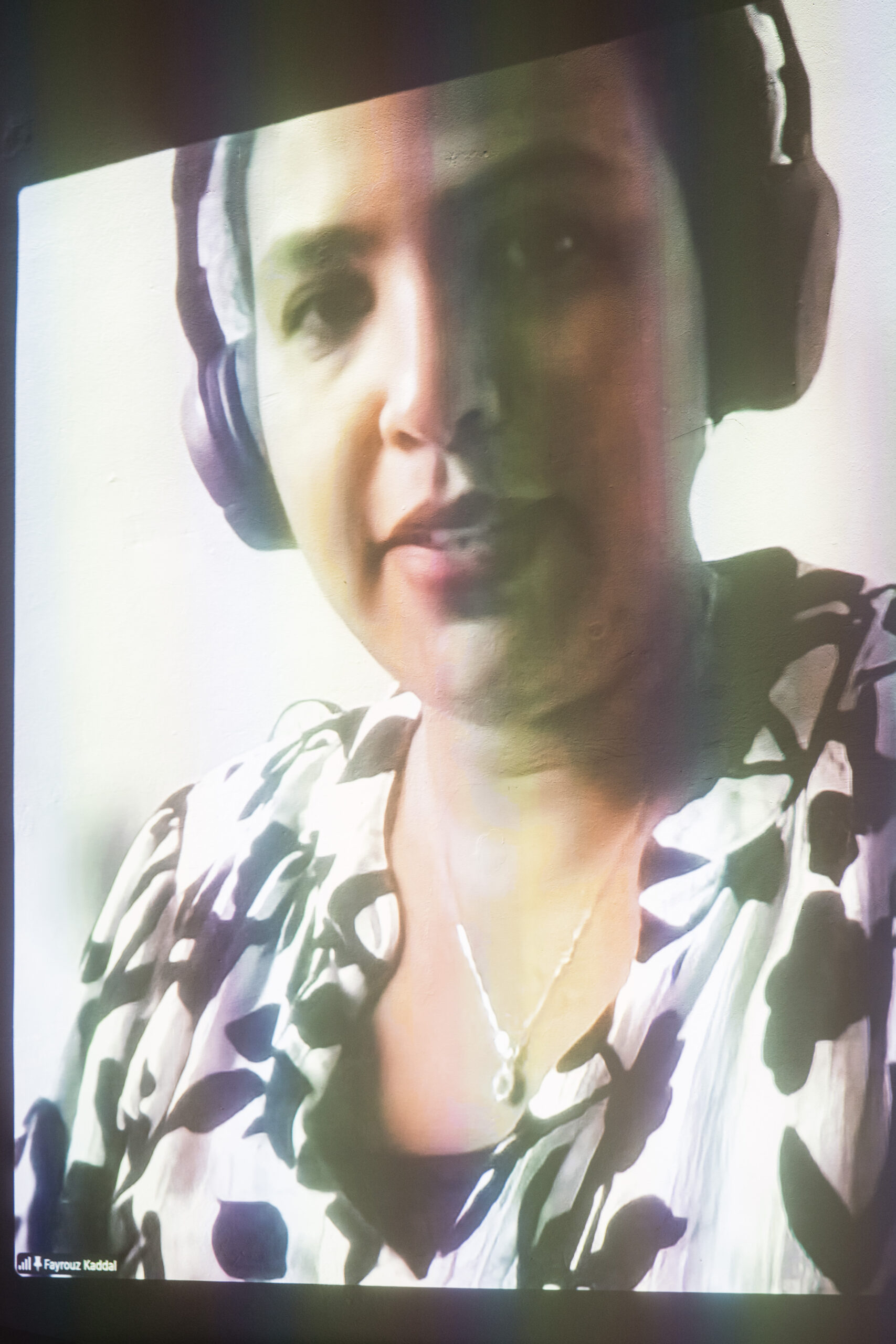
Photo: eSeL.at, Robert Puteanu
William Carruthers & Fayrouz Kaddal
INTERMITTENT PRESENCES: TRACING NUBIA’S SOUNDS AND VOICES
The sounds of the submerged lands of Nubia – and the voices of the Nubians who lived there – sit somewhere today between presence and absence, audibility and silence. We are two scholars who, arriving through different research trajectories, are trying to make sense of these sonic traces and the places, worldwide, where they are gathered. We are also keen to understand what it means to listen to this heritage of a Region doubly flooded: by the Reservoir of Egypt’s Aswan High Dam, and by the assumptions of archaeologists, anthropologists, and others. In this paper, we discuss the work the sonic archive might do to combat those floods, however intermittently.
When the Egyptian government built the High Dam in the 1960s, a global group of salvage anthropologists and archaeologists descended upon Nubia – split across Egypt and Sudan – to record the remains and people who existed there, backed by UNESCO and the Ford Foundation. Much of that recording took the form of notes, written on paper in field sites, camps, and offices. Sound recordings, though, were also made, and like those notes, they were not always discernible or accessible to Nubians. Rather than recording and defining their heritage, Nubians instead found themselves the subject of state-led resettlement.
Our paper examines two of Nubia’s sound archives: the Rex Keating collection at the British Library and Anna HohenwartGerlachstein’s collection at the Vienna Phonogrammarchiv. We share how we encountered These fragmentary sounds of Nubia, gathered through the practices of salvage anthropology and archaeology. We also share how absence and presence were part of this research journey, and perhaps still are. Even as These sound archives were meant to preserve and save Nubian heritage, they somehow silenced it, too. What sort of Nubian heritage might be recovered through listening to these archives, and why?
William Carruthers is Lecturer in Heritage at the University of Essex. He holds a PhD in the History and Philosophy of Science (Cambridge, 2014), and is the author of Flooded Pasts: UNESCO, Nubia, and the Recolonization of Archaeology (Cornell University Press, 2022). Amongst other topics, he is currently working on the sonic history of archaeology.
Fayrouz Kaddal is a doctoral student in Cultural Anthropology at Duke University. Her project investigates the different potentialities of circulating Nubia’s endangered sound Archives collected under a salvage paradigm. She holds an MA in Sociology-Anthropology (2021) from the American University in Cairo. Her dissertation is currently under review for publication with Cairo Papers, AUC Press.