
-
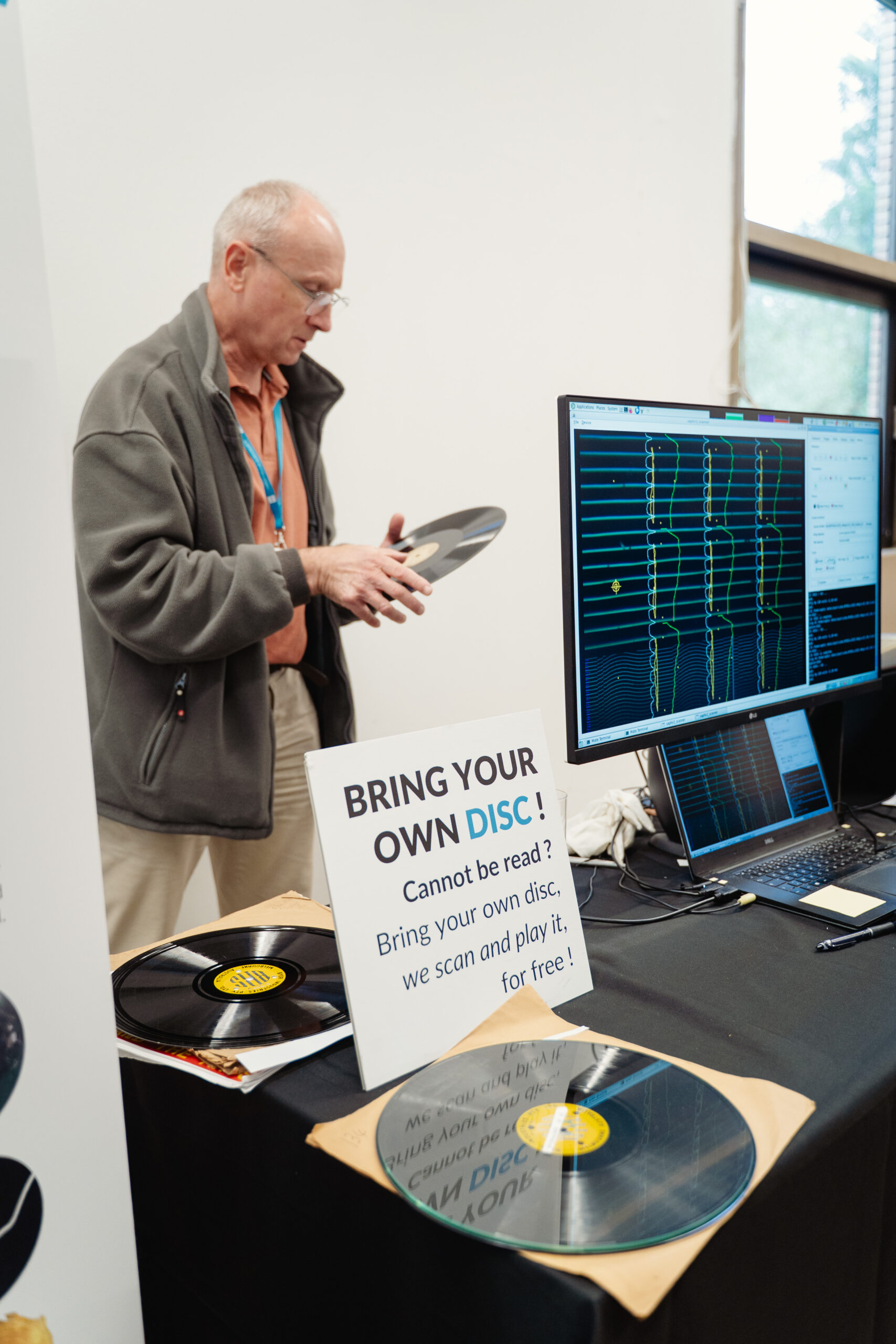
Photo: eSeL.at, Robert Puteanu
-
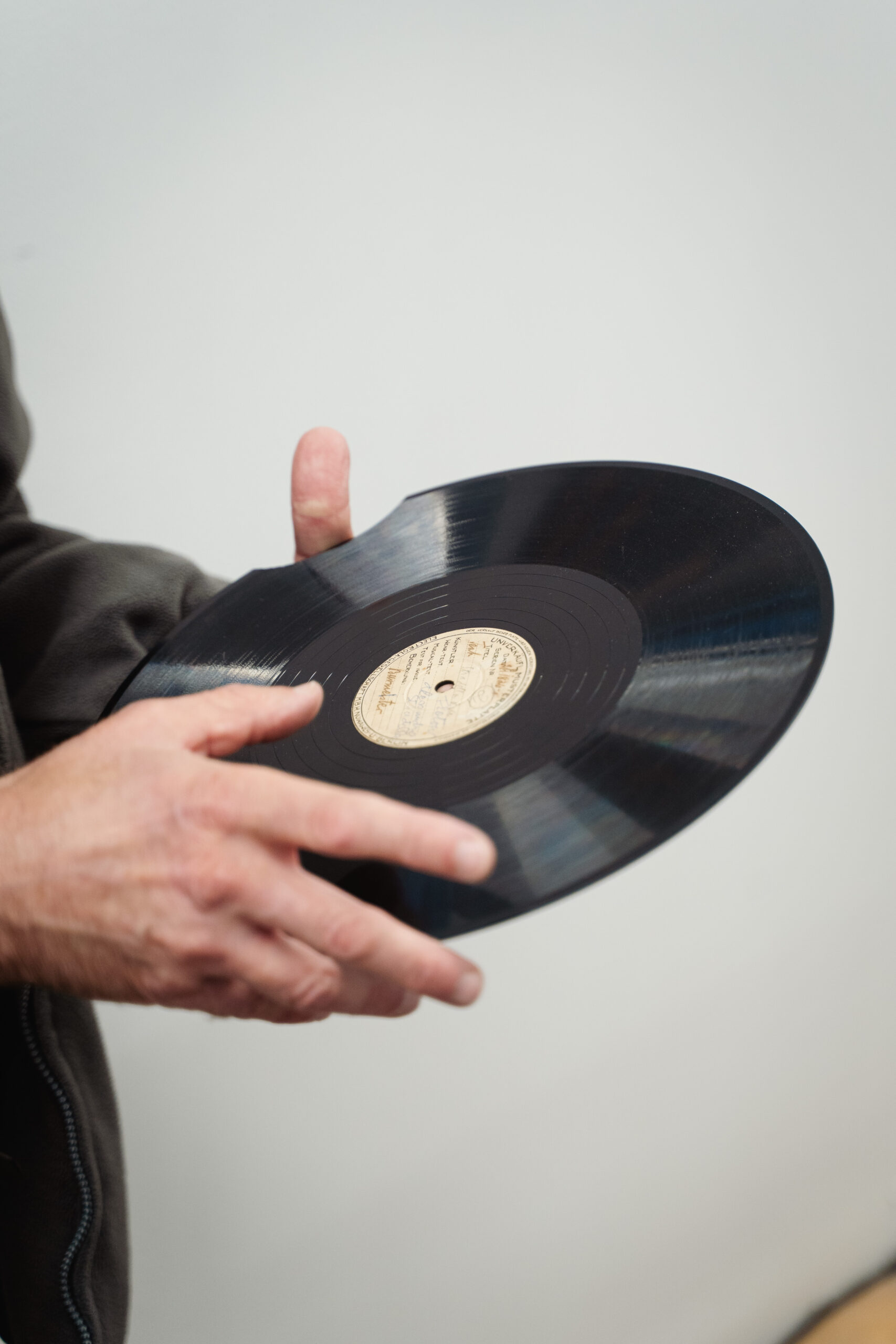
Photo: eSeL.at, Robert Puteanu
-
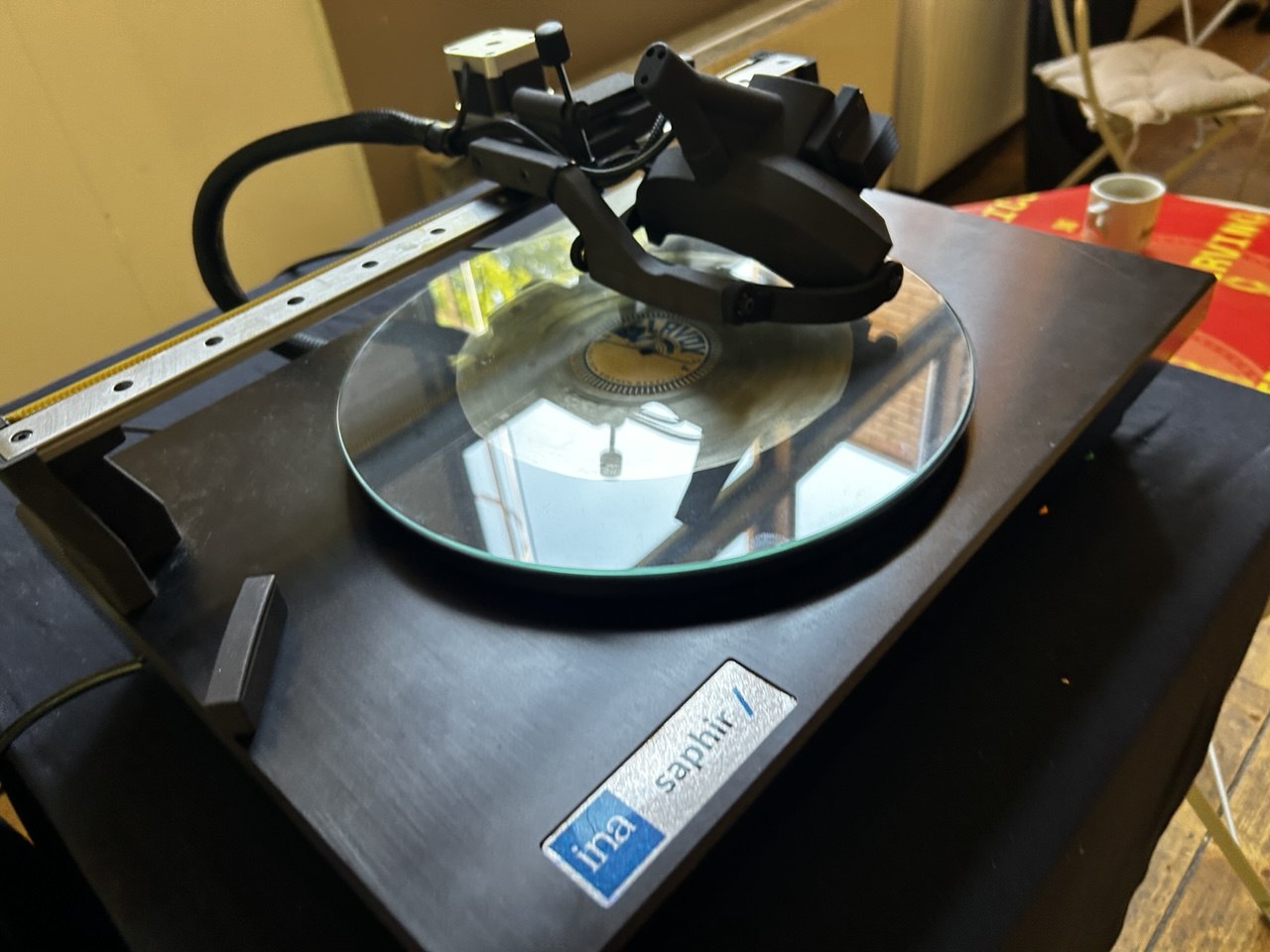
Photo: Eva Kapeller-Hallama
-
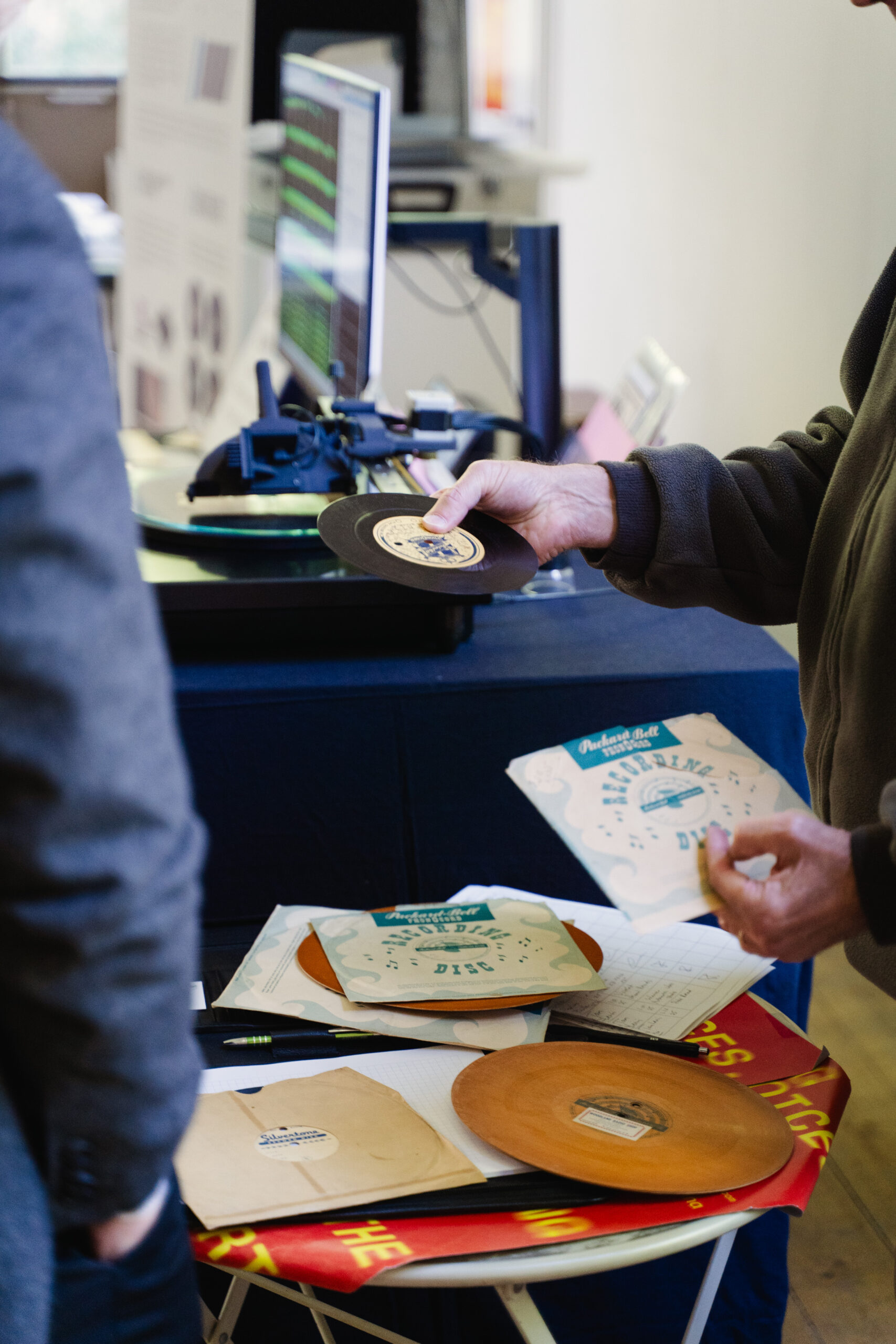
Photo: eSeL.at, Robert Puteanu
-
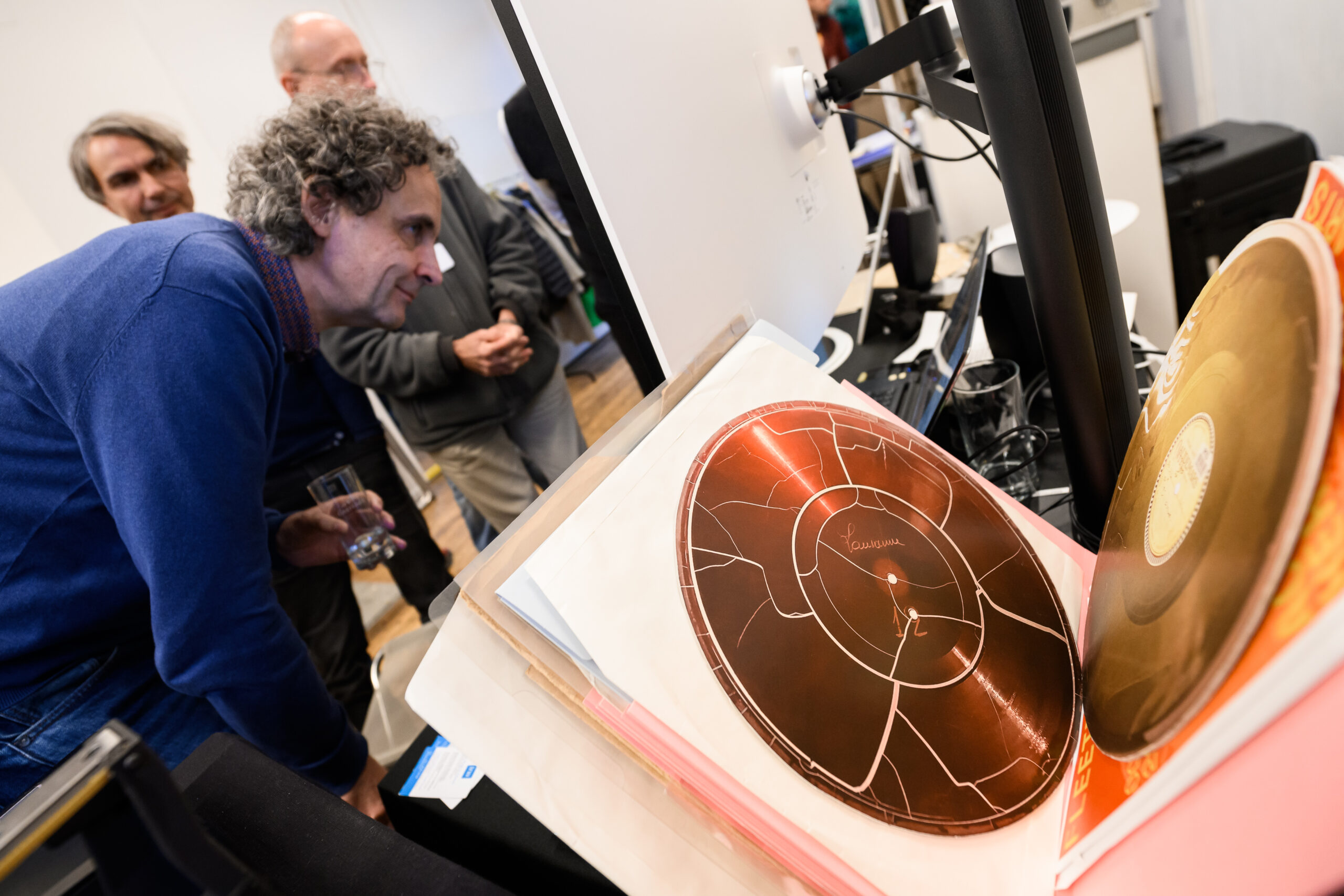
Photo: eSeL.at, Joanna Pianka
-
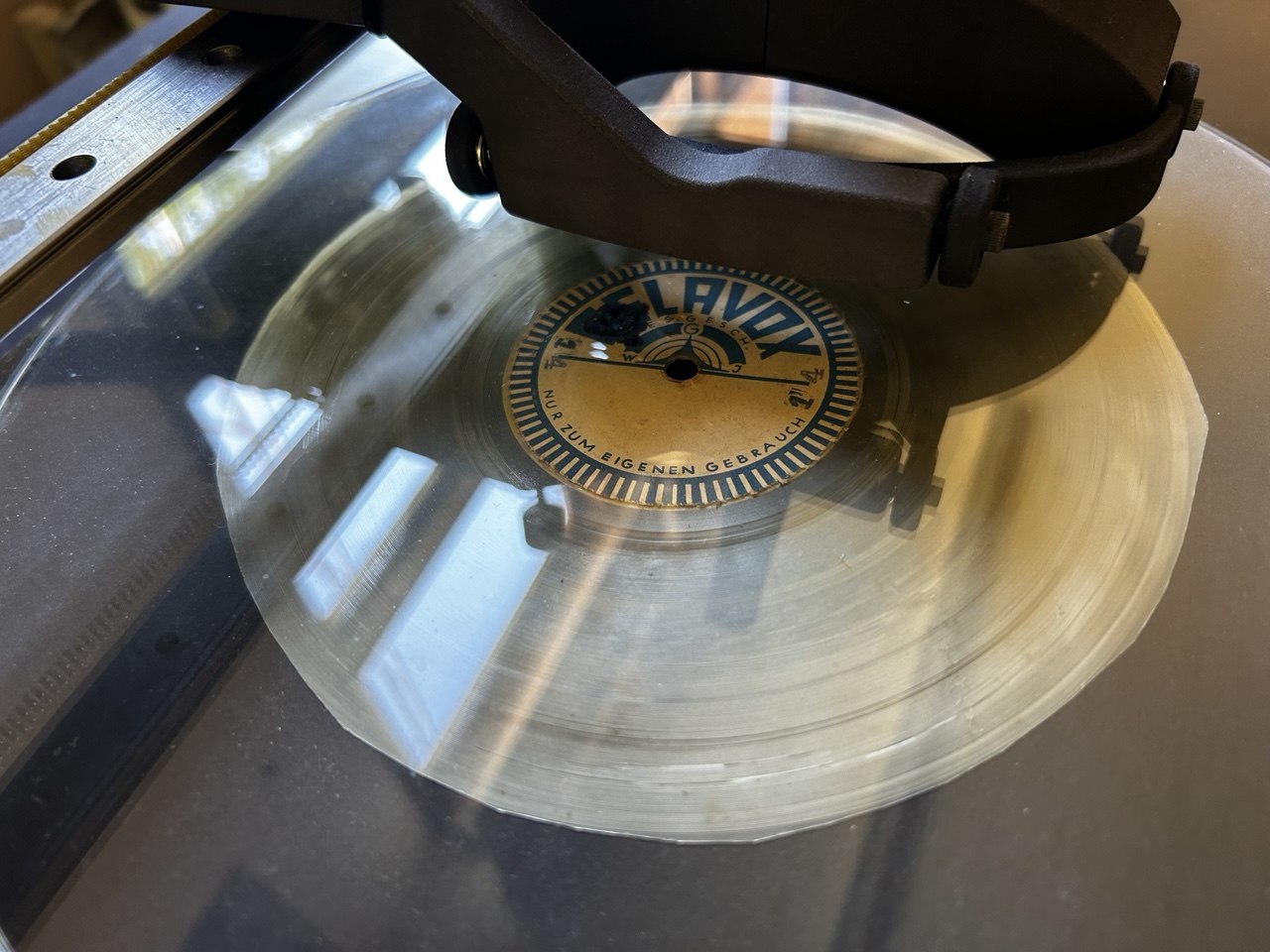
Photo: Eva Kapeller-Hallama
-
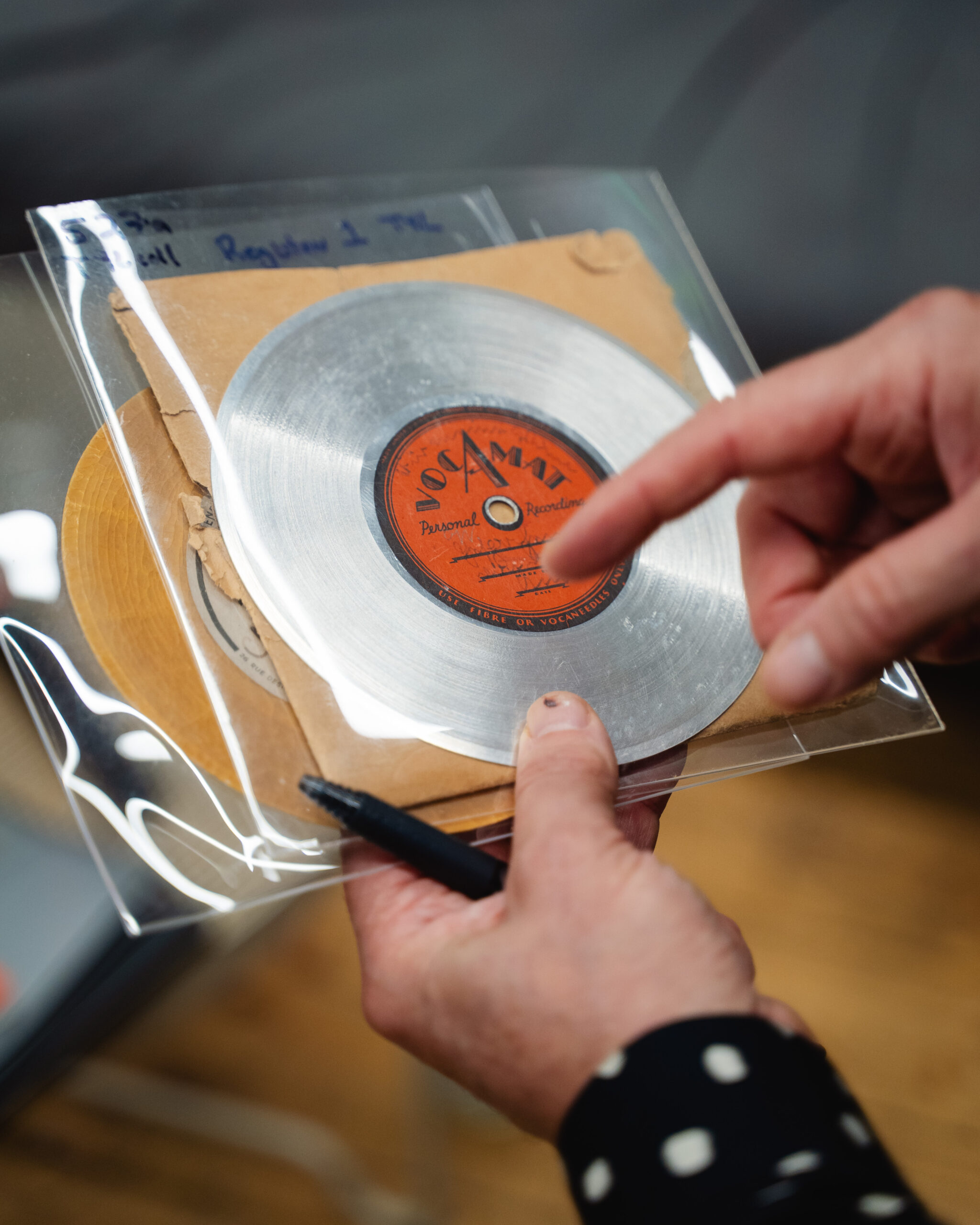
Photo: eSeL.at, Robert Puteanu
-
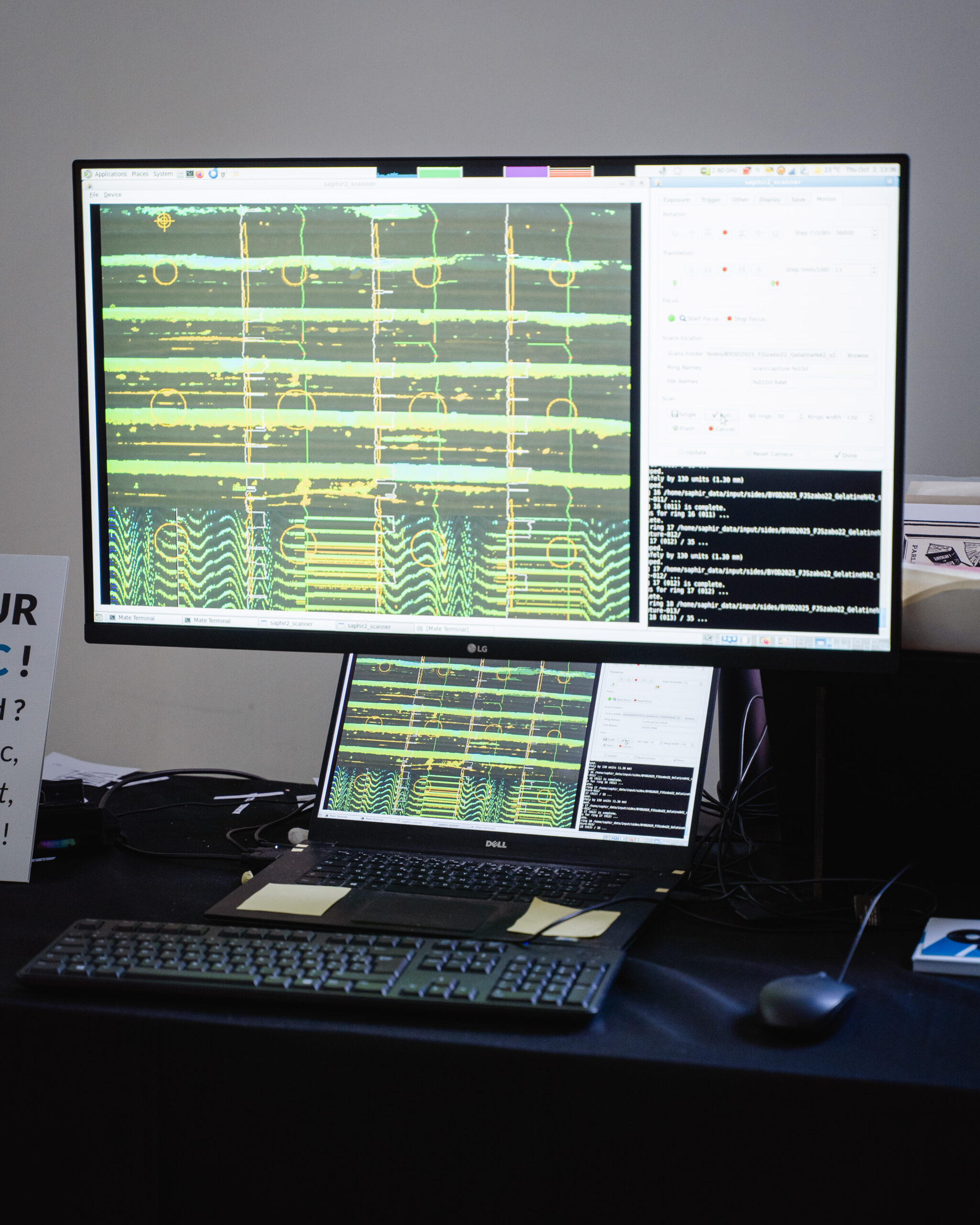
Photo: eSeL.at, Robert Puteanu
-
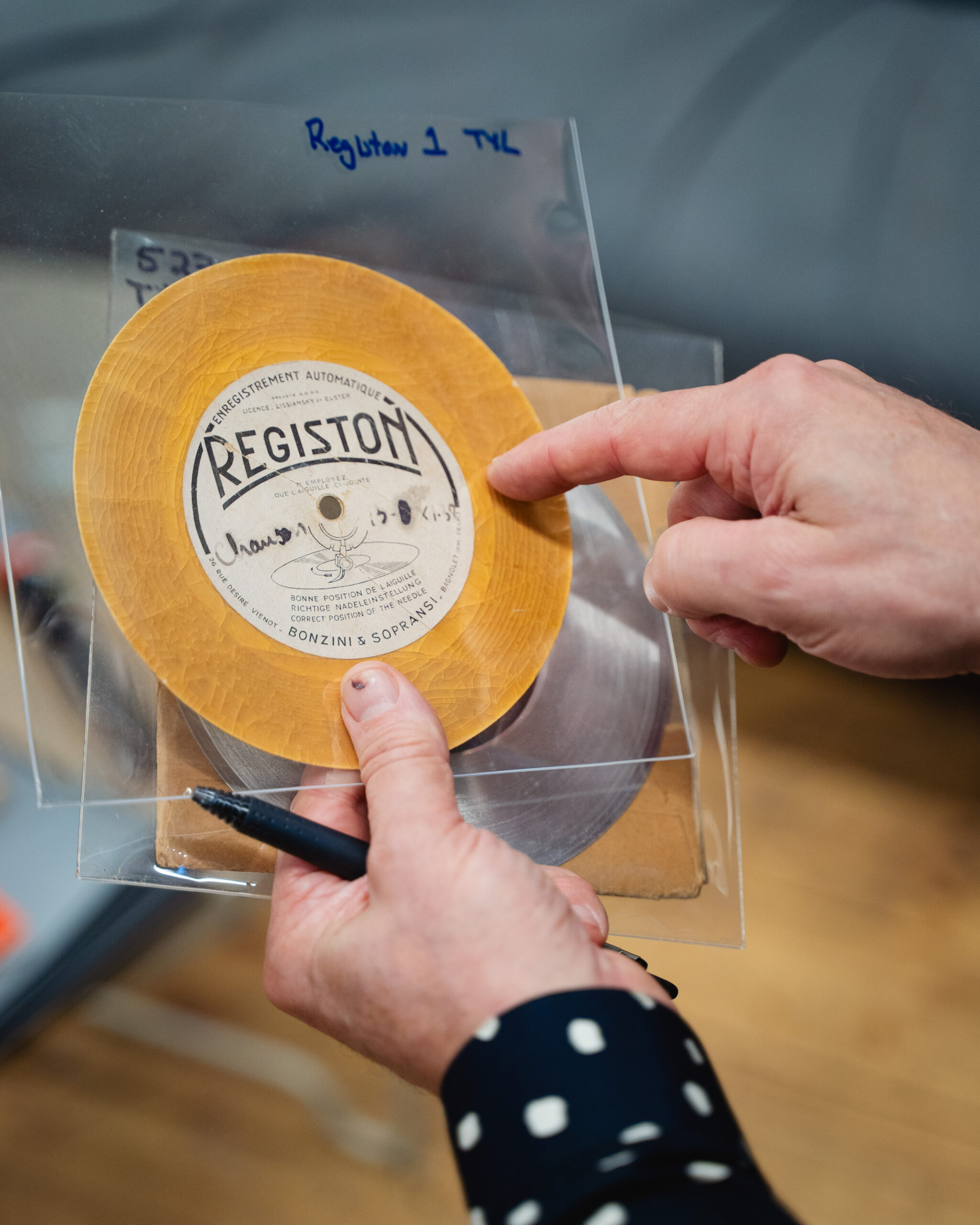
Photo: eSeL.at, Robert Puteanu
-
Fleeting Voices. Preserving Acoustic Heritage in the Archives and the Art (Die Angewandte / Zentrum fokus Forschung, 01. – 03.10.2025)
-
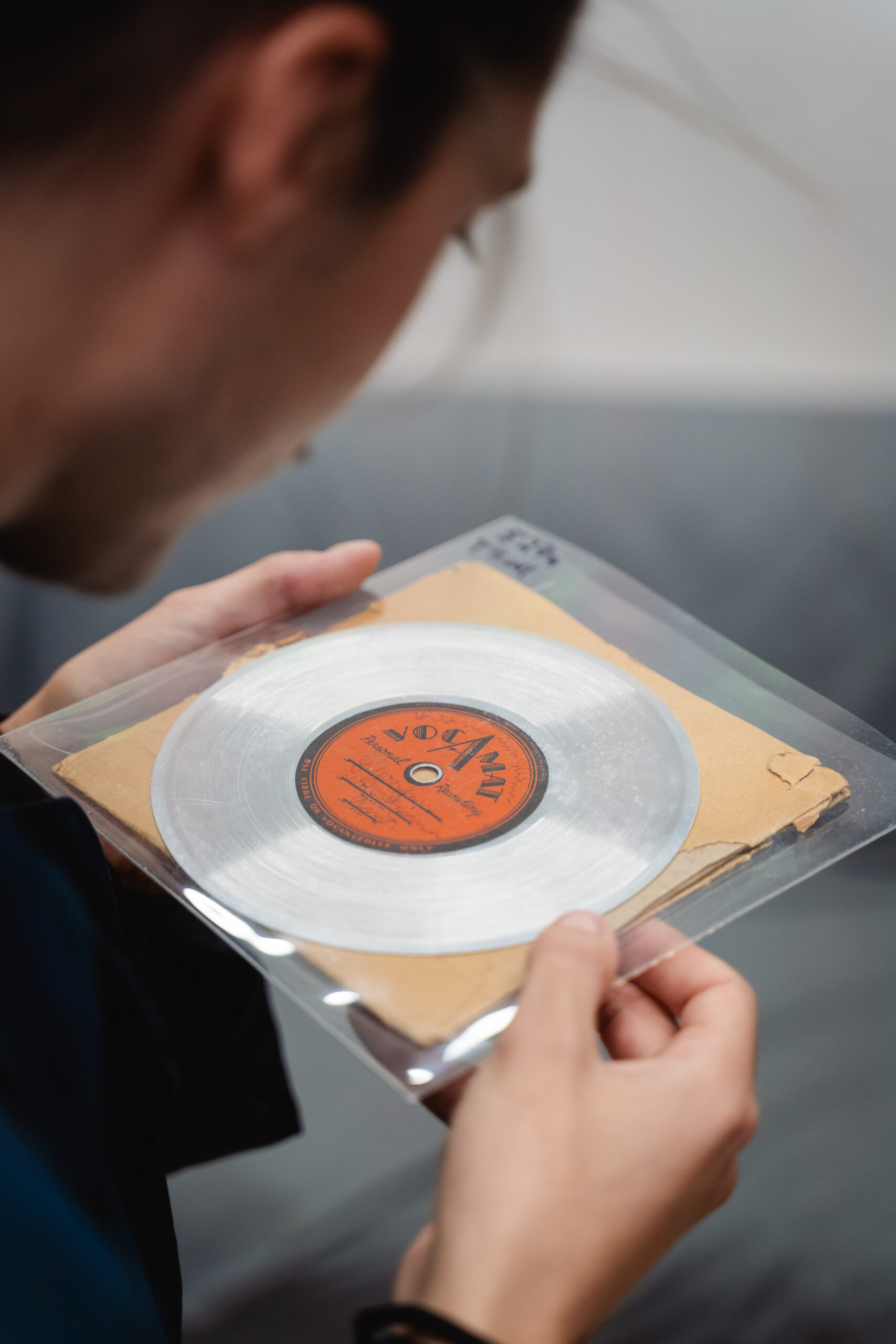
Photo: eSeL.at, Robert Puteanu
-
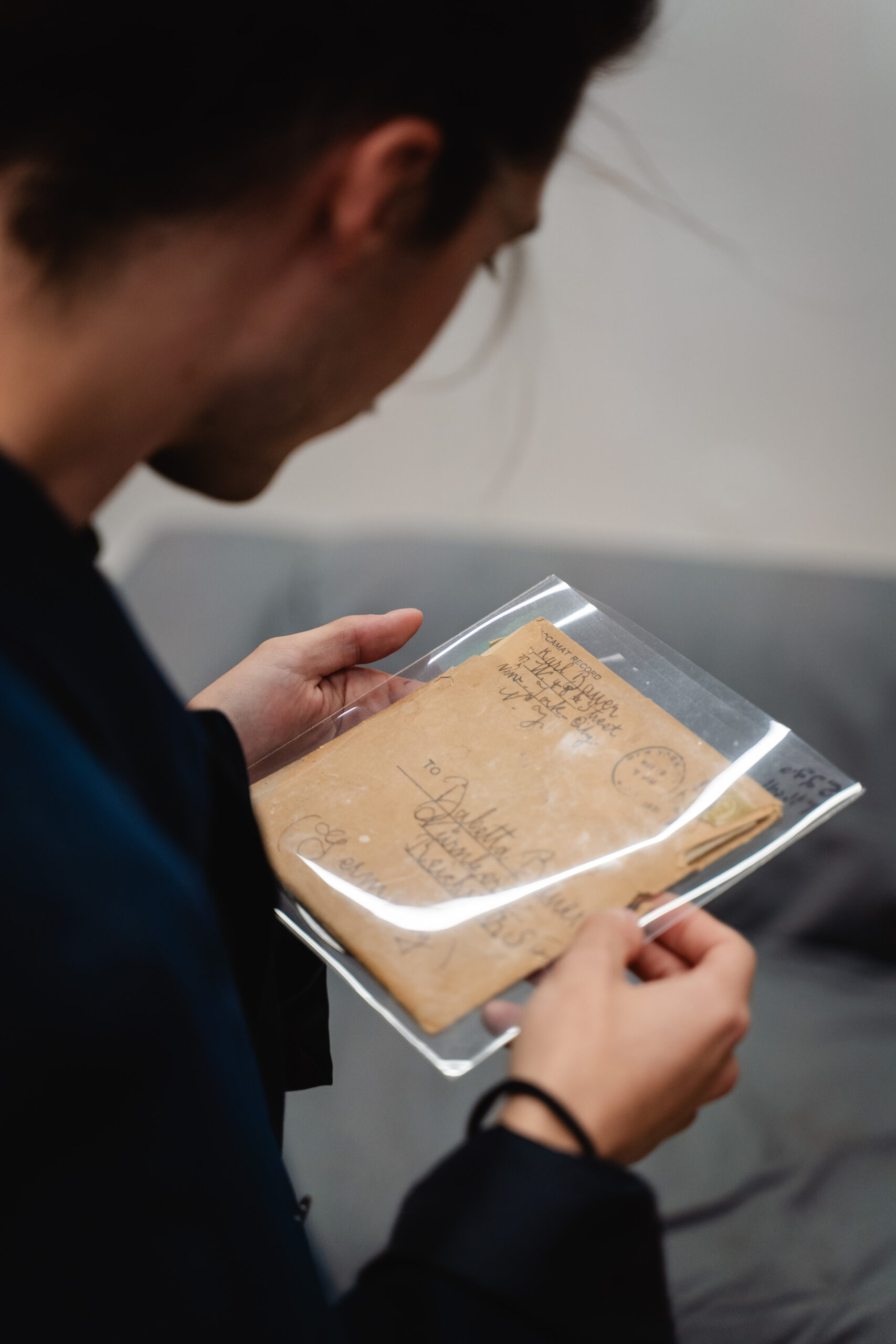
Photo: eSeL.at, Robert Puteanu
-

Photo: eSeL.at, Robert Puteanu
-
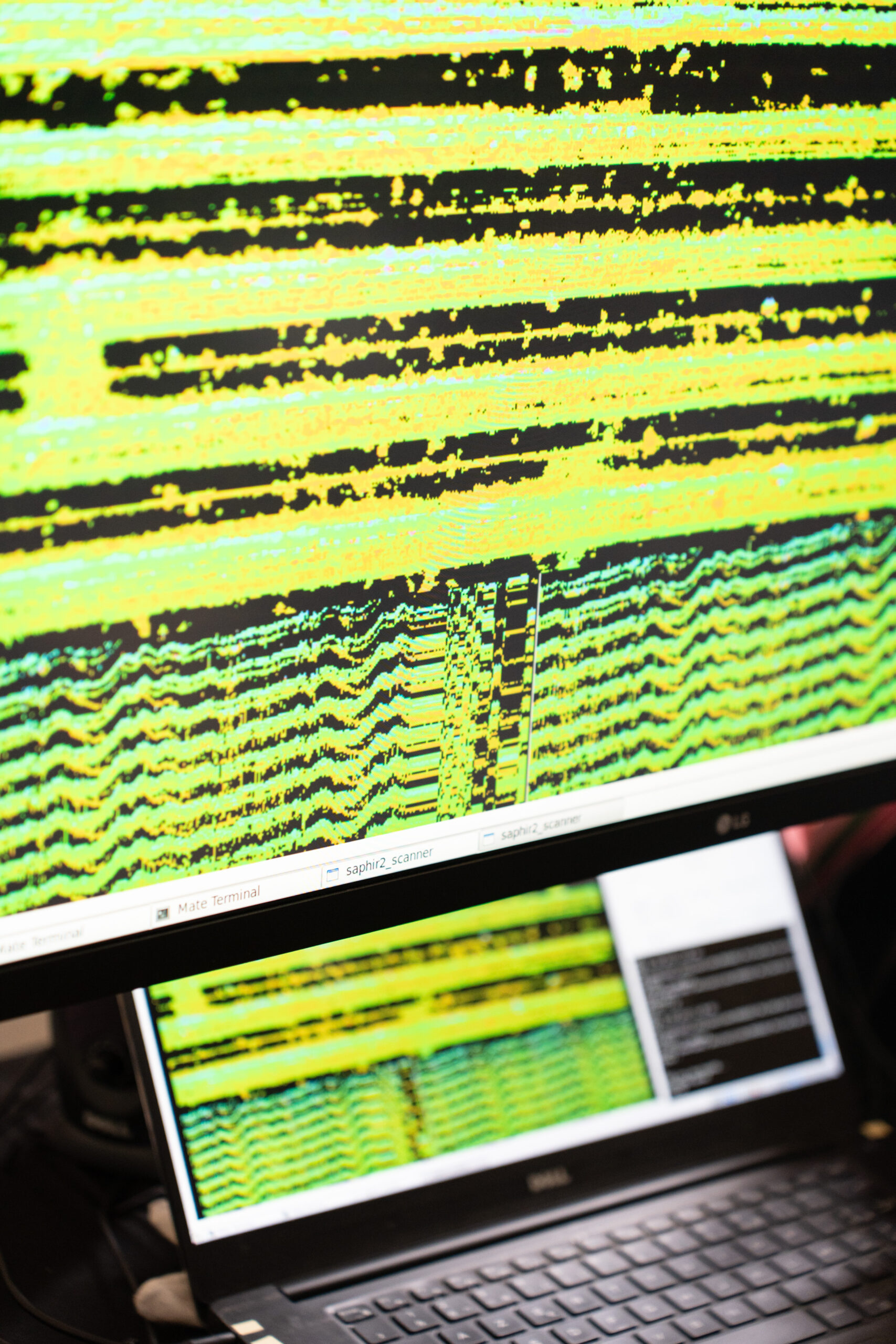
Photo: eSeL.at, Marija Sabanovic
-
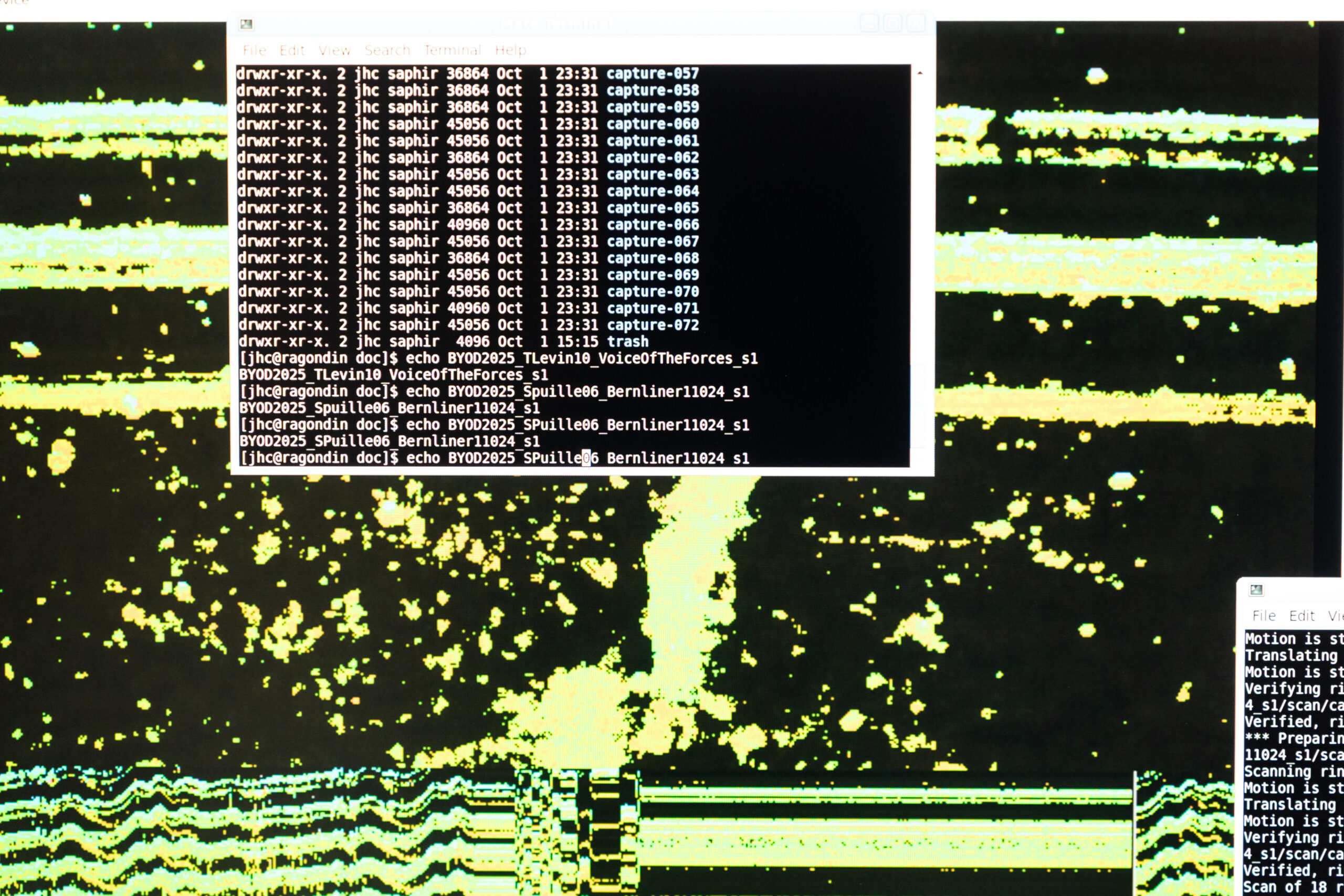
Photo: eSeL.at, Marija Sabanovic
-
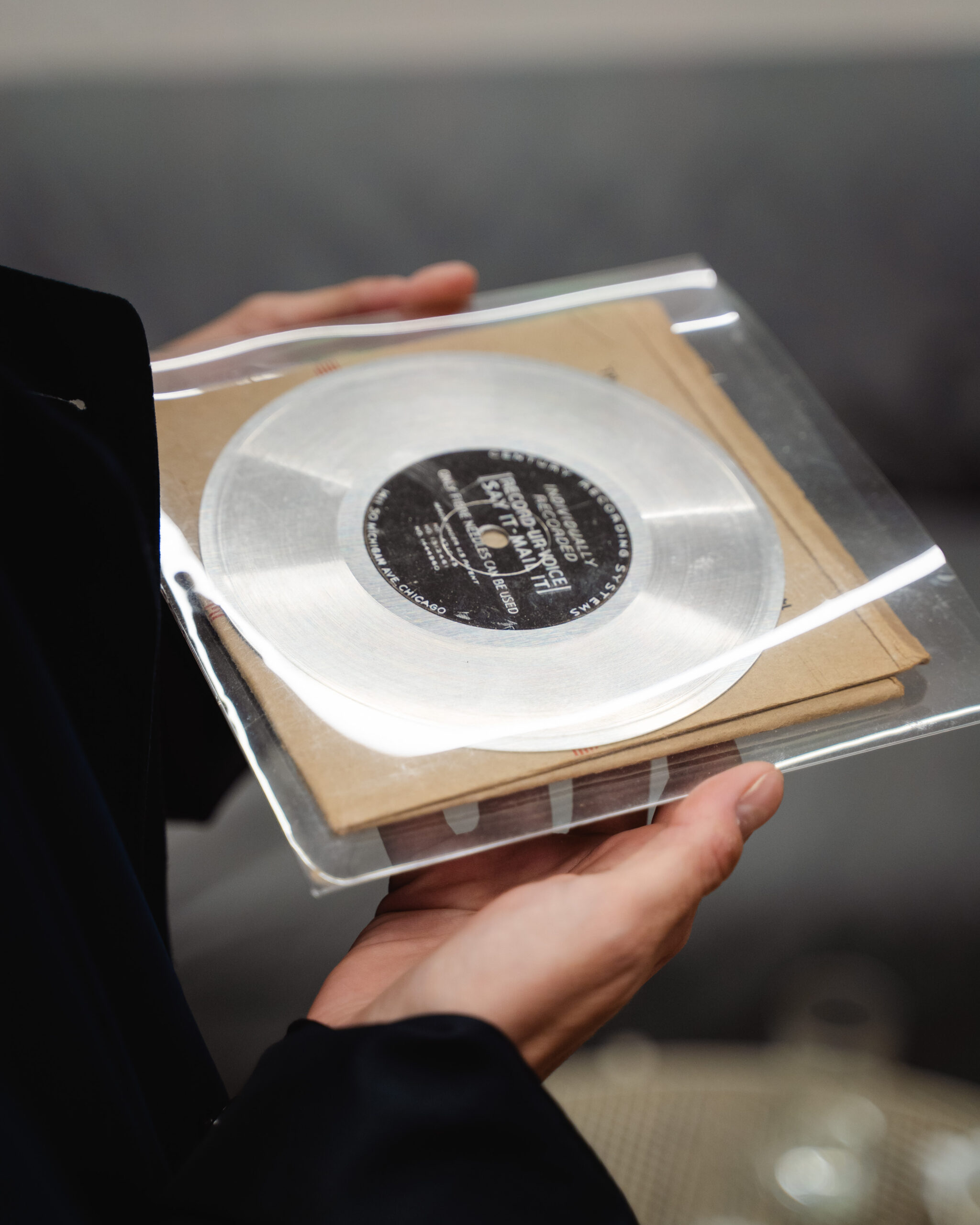
Photo: eSeL.at, Robert Puteanu
-
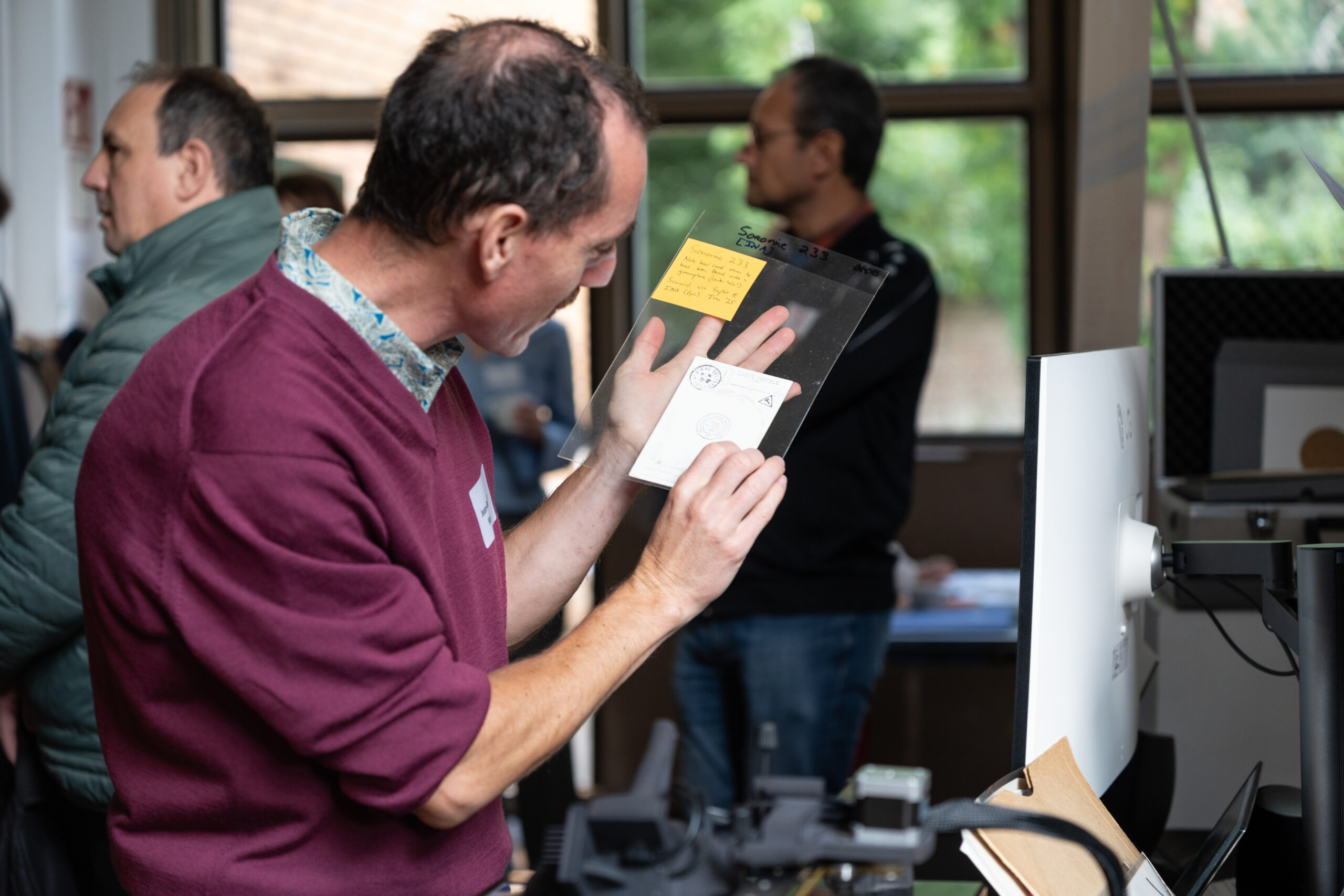
Photo: eSeL.at, Marija Sabanovic
-
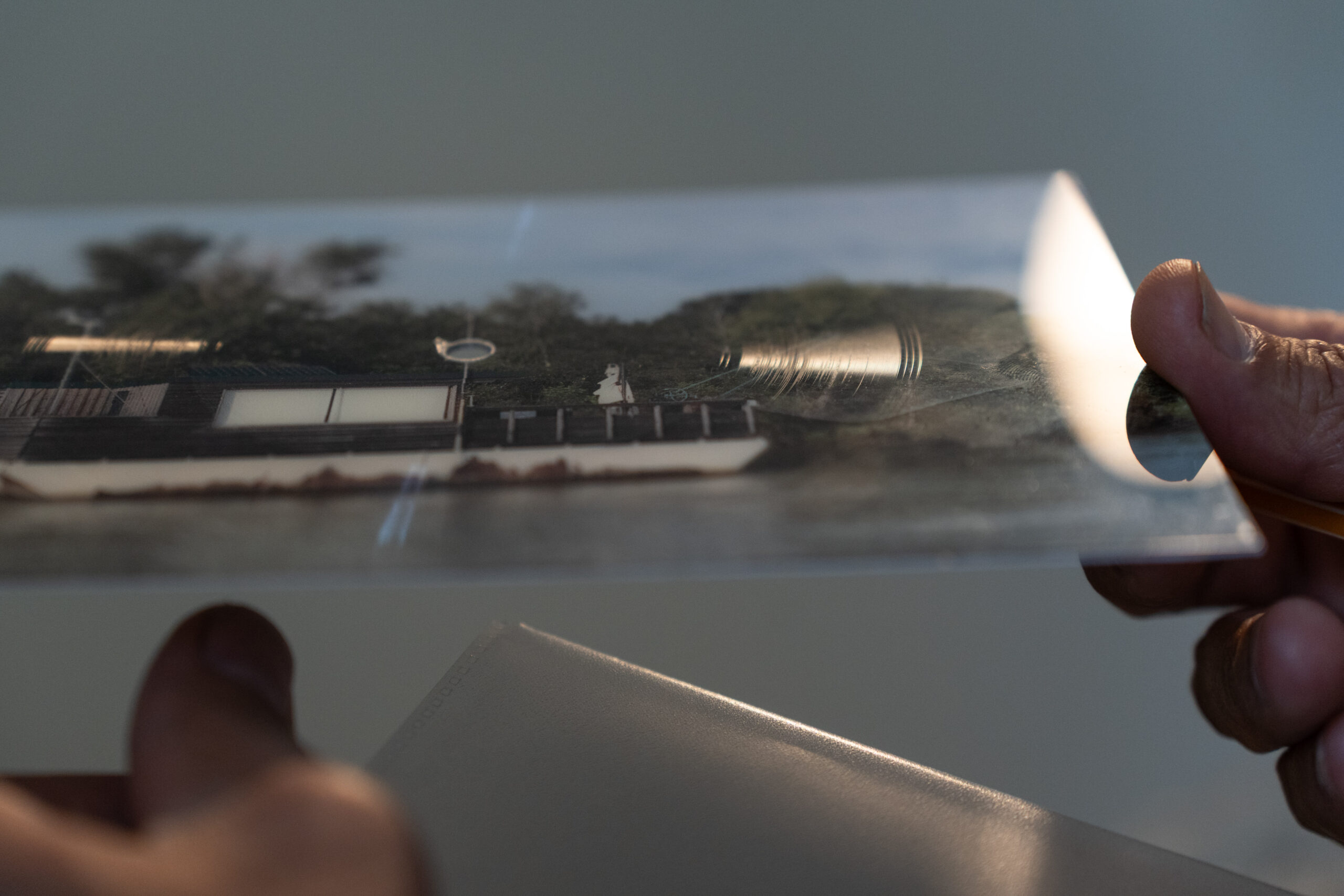
Photo: eSeL.at, Marija Sabanovic
Jean-Hugues Chenot & Jean-Étienne Noiré
BRING YOUR OWN VOICE RECORD 2025! INA SAPHIR STATION FOR DIGITISING YOUR PRIVATE DIRECT CUT DISCS
Bring Your Own Voice Record! The conference participants are invited to bring their own voice or music disc records, in any condition, to be scanned and converted to audio files using INA-Saphir optical technology.
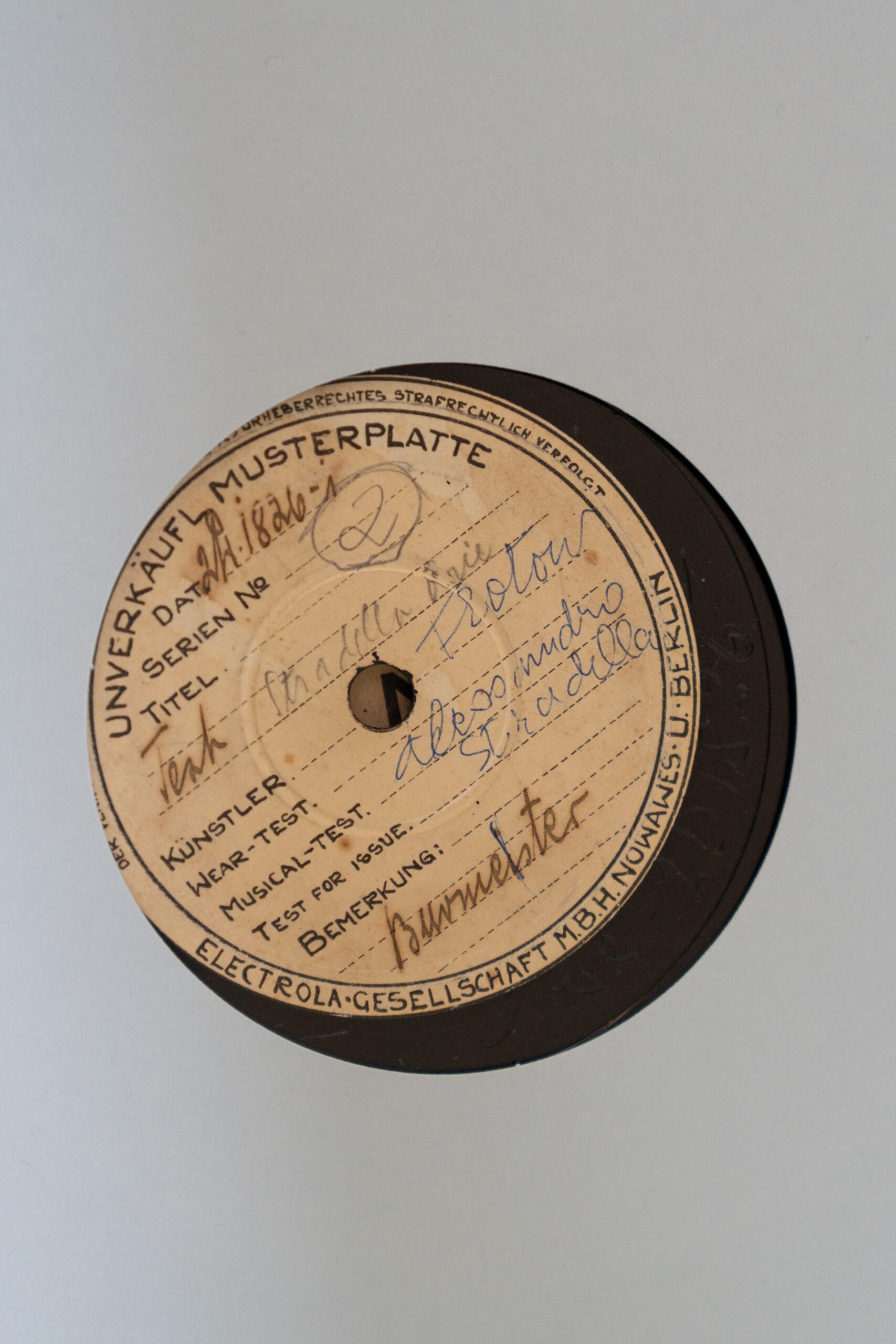
INA-Saphir can scan and extract the sound from nearly all analogue audio media mechanically recorded as a spiral on a flat medium. This includes audio letters, recorded postcards, dictaphone records, artistic performances and more generally recorded voices and music on lacquer and plain direct-cut discs.
Those artefacts usually being the unique source of the message, they deserve to be preserved, both as a physical artefact, but also as the audio content. To avoid damaging the carrier by repetitively playing it, it is desirable to generate and preserve an audio file from the carrier. The easiest tool to obtain such an audio file is often a compatible playback system such as a turntable. But the condition of the record, the specifics of the medium, or the recording condition may make a conventional turntable unpractical or hazardous for the record.
After more than 20 years of development within INA’s research department, the optical INA-Saphir process presents a reliable and safe way for recovering the audio contents from most of those records. Beyond its main target – cracked, delaminated or broken 78 rpm discs – the system has a wide range of other applications, such as recorded postcards, spoken letters, grooved dictaphone discs, slot machines records…, even damaged or in pieces. Known exceptions are cylinders, belts, magnetic discs, and digital media.
We intend to demonstrate INA-Saphir’s capacities by inviting the conference participants to bring their own records – however damaged. At no cost, we will scan them, play the content and deliver the audio files to the owner.
Jean-Hugues Chenot received Engineering degrees from French Ecole Polytechnique and Ecole Nationale Supérieure des Télécommunications. He joined INA in 1988 where he first developed software for 3D scanning and modeling and virtual studios projects. He was for 25 years manager of the INA audio and video processing and restoration research team, and was involved in a number of European research projects, related to audio and video digitisation, preservation, digital restoration, and large-scale fingerprinting and content tracking. He is the project manager of the INA-Saphir project for optical playback of analogue audio disc records.
Jean-Étienne Noiré joined INA research department in 1992. He was involved in virtual studios, animation, restoration and digitisation research projects. He is currently the main software developer of INA-Saphir.