
-
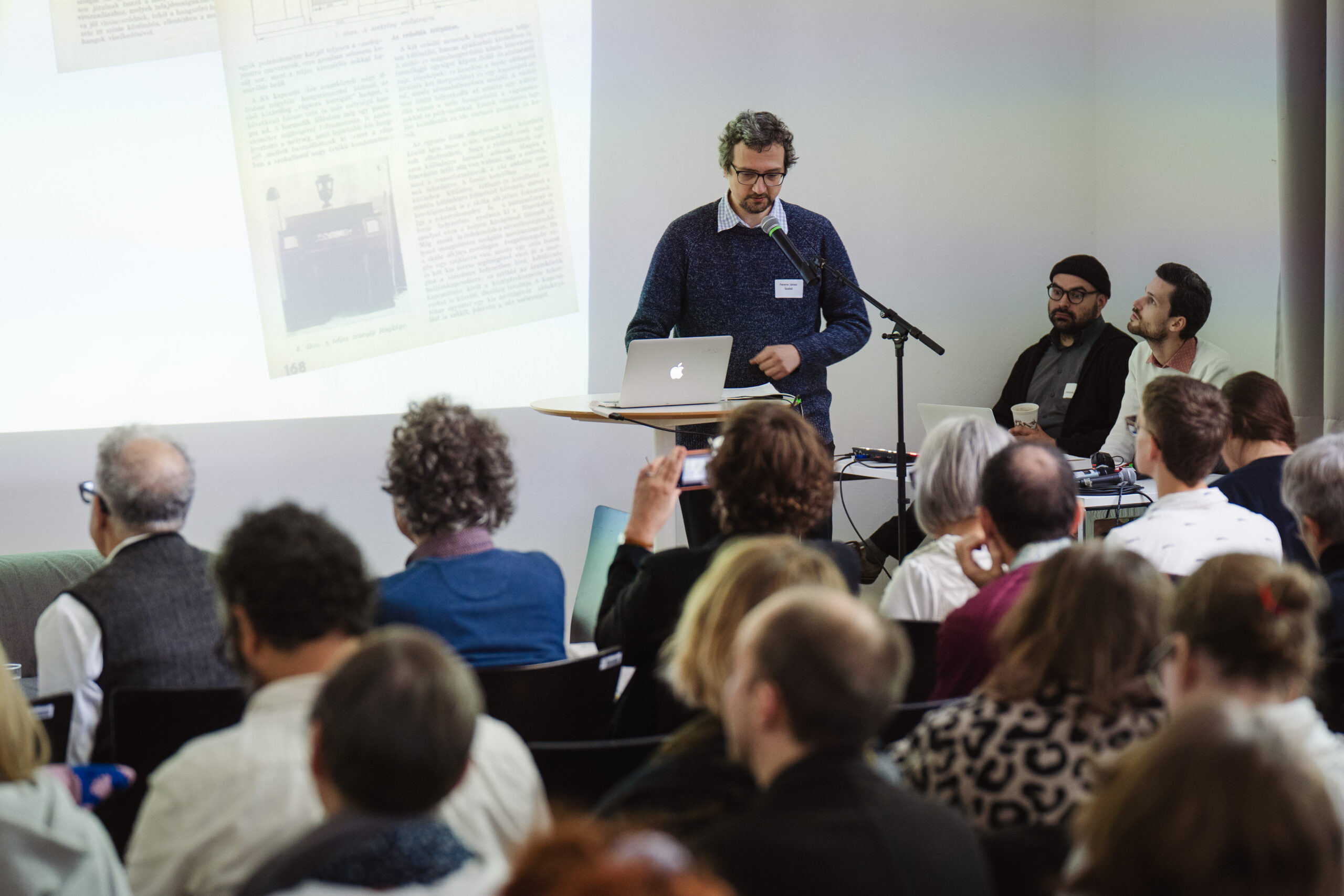
Photo: eSeL.at, Robert Puteanu
-
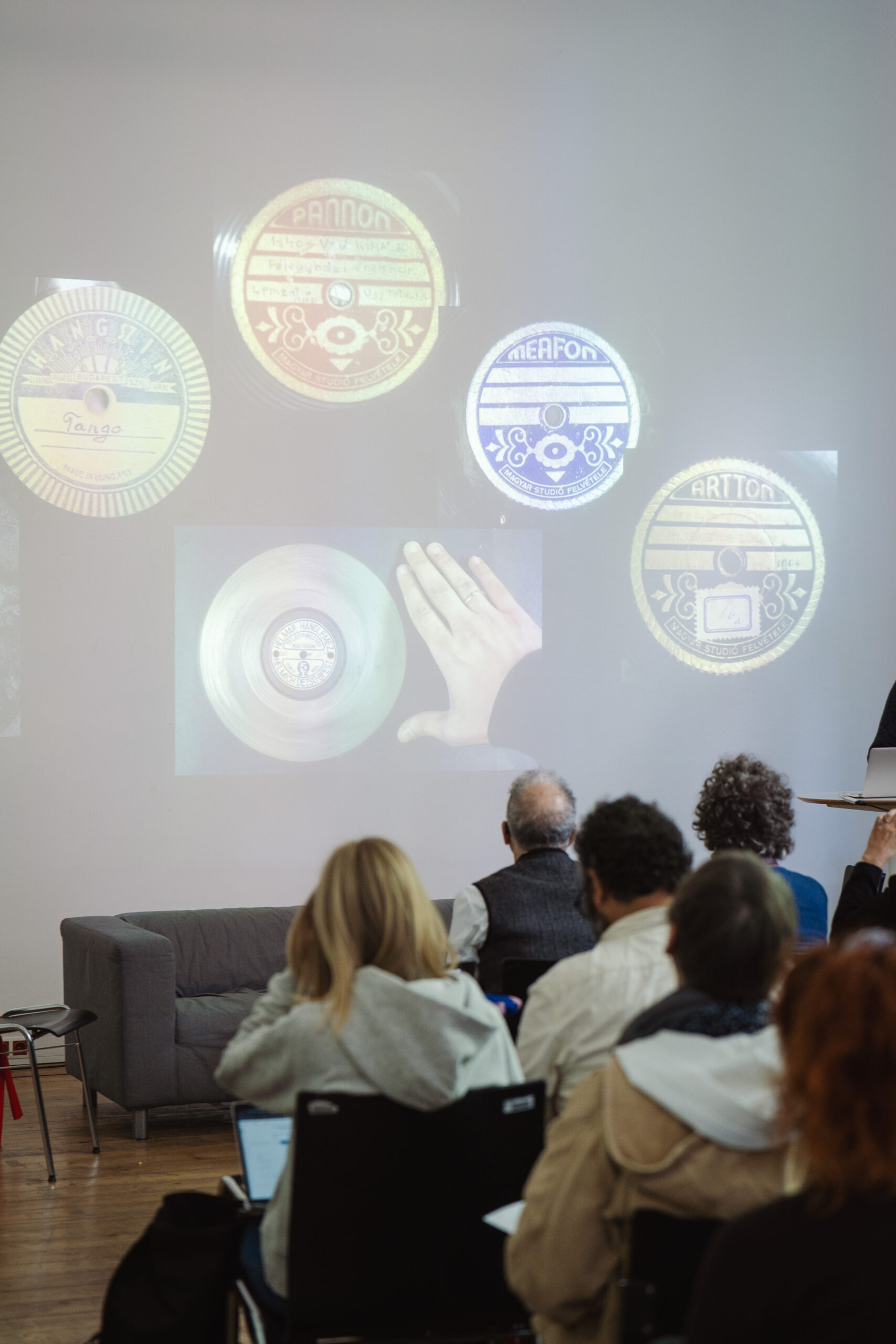
Photo: eSeL.at, Robert Puteanu
Ferenc János Szabó
THE IDEA AND REALISATION OF THE ‘VOICE MESSAGE’ IN THE HISTORY OF HUNGARIAN PRIVATE RECORDINGS ON GRAMOPHONE RECORDS
Early sound Recordings and their history became part of scientific research relatively late, and research on private sound recordings has only started in recent years. This is why, while we already have more or less information about the companies that produced commercial recordings in the twentieth century – including discographies in the case of several companies –, we often know nothing about the background of private recordings (except perhaps ethnomusicological and linguistic ones). This is particularly true of recordings from the first half of the twentieth century. However, this information would be essential for the understanding and interpretation of the surviving sound recordings.
In the interwar Hungary – in parallel with the spread of electric sound recording and broadcast radio – many sound engineers experimented with record cutting, and a few private studios also offered recording services on a wider scale. Many of the mostly unique sound documents were destroyed during the twentieth century, so it is regrettable but still understandable that this has only become a topic of research in Hungarian musicology and historical media studies in the 2020s. In my presentation I intend to give an overview of the history of private record making in Hungary. The overview will focus on how the idea of ‘voice message’ appeared in the history of private recordings in Hungary, from a 1910 opinion piece through the advertisements of various businesses and the activities of the War Reporting Company during World War II to the famous Hungarian slogan ‘Saját hangja, vigye haza!’ (Your own voice, take it home!). I will present a few surviving voice messages to examine how circumstances influenced the speaker and the resulting sound recording. The examples will be from messages recorded during World War II by Hungarian radio companies, which gave soldiers at the front or in hospitals, or family members worried in the hinterland, the opportunity to send a voice message to their loved ones.
Ferenc János Szabó (1985, Pécs), pianist and musicologist. Studied piano at the Ferenc Liszt Music Academy (Budapest) and chamber music at Kunstuniversität Graz. He has doctor’s degrees DLA as pianist (2012) and PhD in musicology (2019) (both summa cum laude). As a pianist, he won several prizes at international chamber music competitions. From 2013, he has been associate professor and vocal coach at the Voice Department of the Liszt Ferenc Music Academy. From September 2011, he has worked at the Institute for Musicology in Budapest. His research fields are the history of Hungarian sound recordings, discography, and performance practice. Besides several postdoctoral scholarships, he won the Edison Fellowship of the British Library, and the János Bolyai Research grant from the Hungarian Academy of Sciences (2022–2025).